


In Short
- The Construction Contracts Act (CCA) regulates payments, provides dispute resolution tools, and protects against non-payment, benefiting small contractors.
- Small contractors should ensure payment claims are accurate, and they understand their right to stop work or seek adjudication in case of disputes.
- Adjudication is a quick, cost-effective process for resolving disputes under the CCA.
Tips for Businesses
To protect your rights under the CCA, ensure your construction contracts clearly define payment terms and dispute processes. Keep accurate records of completed work and payment claims, and maintain regular communication to avoid misunderstandings. Seek legal advice if unsure about your obligations under the CCA.


New Zealand’s construction industry is a major component of the economy. Small contractors operating within the industry may have difficulty navigating compliance issues while protecting their financial interests. One of the main pieces of legislation that small contractors should consider is the Construction Contracts Act 2002 (CCA). This article will take you through five CCA considerations for small contracts in New Zealand.
Know the Purpose of the CCA
Understanding the scope of the CCA is crucial for small or main contractors so they understand the framework they are operating within.
The CCA was created to improve cash flow within the construction industry. It does this by:
- regulating payments;
- providing tools for dispute resolution; and
- providing protections against non-payment.
The CCA applies to all construction contracts, regardless of whether they are verbal or written. It also covers a range of different construction work, including:
- renovations;
- maintenance;
- demolitions; and
- standard construction work.
Provisions Impacting Small Contractors
Several key provisions within the CCA directly impact the operations of small contractors. Let us explore some examples below.
Payment Provisions
The CCA requires that all construction contracts include clauses for routine payments. It also gives contractors the right to submit payment claims, whereby the person responsible for the payment must respond with a payment schedule in line with the CCA or the contract terms. Where payment schedules are not issued, the contractor can take action to recover the total amount.
Right to Stop Work
The contractor can suspend work if they receive payment by the due date and a payment schedule has yet to be issued. In these cases, the contractor is protected from any liabilities resulting from delays caused by the suspension.
Dispute Resolution Tools
The CCA includes a framework for the quick resolution of disputes through adjudication. Adjudication is a fast, cost-effective process that allows contractors to resolve payment disputes without responding to long, expensive court proceedings.
Continue reading this article below the formCall 0800 005 570 for urgent assistance.
Otherwise, complete this form, and we will contact you on the same business day.
Understand Payment Claims and Schedules
As mentioned above, one of the most critical aspects of the CCA for small contractors to consider is the process it provides for making and responding to payment claims. The CCA requires that payment claims include:
- the amount due;
- the period covered by the claim; and
- a statement confirming that the claim comes under the CCA.
Small contractors must ensure that payment claims are accurate and submitted on time. This is important for cash flow. Understanding the implications of receiving or failing to receive a payment schedule is equally important. For example, contractors have the legal right to recover the total amount of the payment claim if a payment schedule is not received.
Importance of Adjudication
Adjudication is a significant part of the CCA. It gives a quick and binding resolution to disputes over payment claims. Accessing adjudication without costly legal representation is a considerable advantage for small contractors. The ability to secure payment without the financial burden of going to court helps level the playing field.
The adjudication process starts with appointing an independent adjudicator. They review the dispute and decide within a few weeks. The adjudicator’s decision is binding. If the decision is not complied with, the contractor must go to court to enforce it.
Protect Your Rights Under the CCA
Small contractors must take an active approach to protect their rights under the CCA. This involves:
- be clear in the contract: all construction must be precise and include the necessary provisions required by the CCA. This includes defining payment terms, schedules and dispute resolution processes;
- maintain regular communication: maintaining open communication with all parties on a project helps prevent misunderstandings and disputes, especially relating to payment claims;
- keep records: detailed records of all work completed and payment claims submitted will be vital in any potential disputes; and
- seek legal advice: understanding the CCA and its legal language can be difficult. While the CCA tries to be accessible, small contractors should seek legal advice if unsure about their rights.
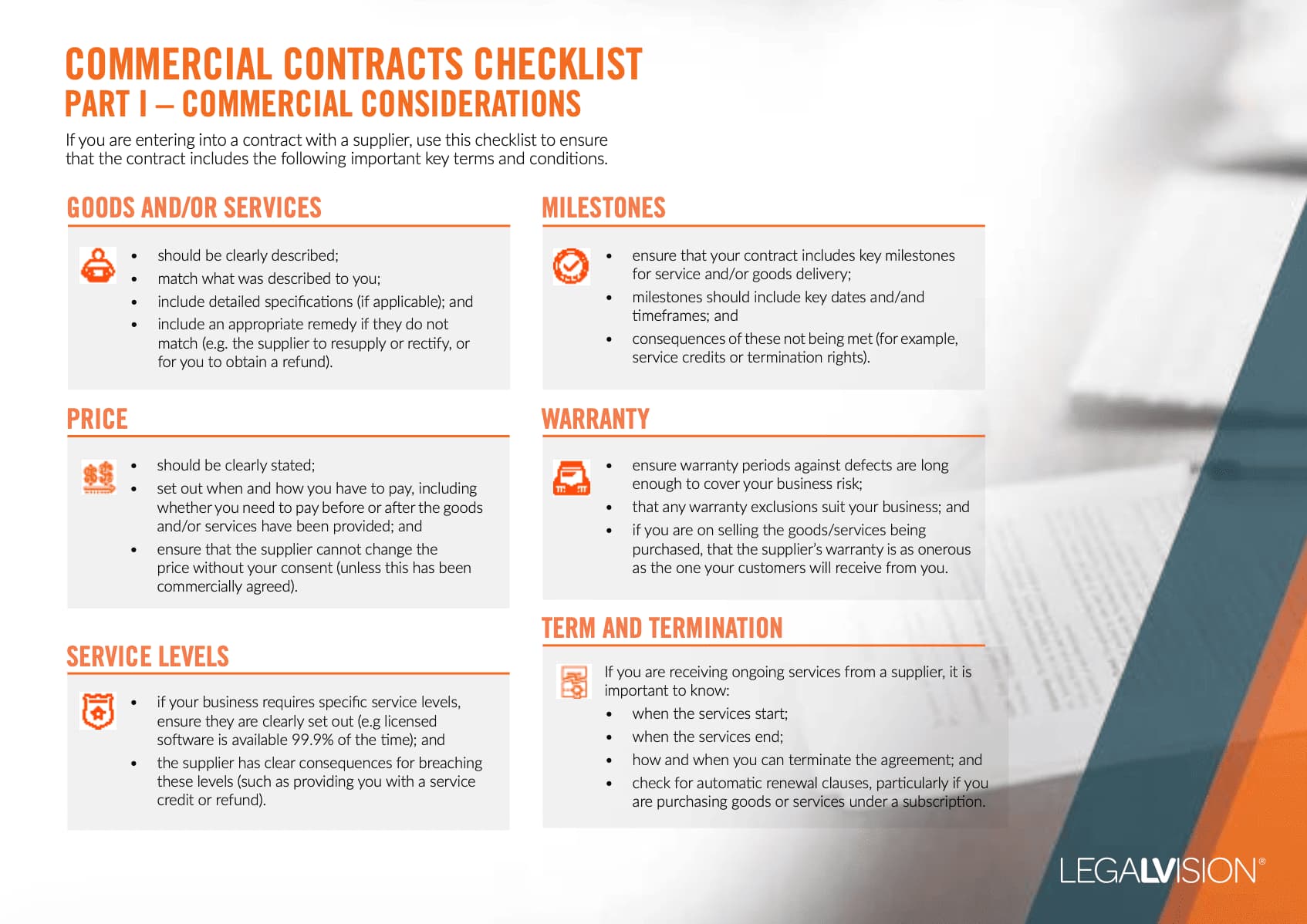
To protect your business, ensure supplier contracts meet your business’ needs. Our free Commercial Contracts Checklist will help.
Key Takeaways
Small contractors operating within the construction industry may need help navigating the various compliance issues while protecting their financial interests. As such, one of the main pieces of legislation that small contractors should consider is the Construction Contracts Act 2002 (CCA). CCA contractors should understand the following parts of the CCA:
- its purpose;
- payment claims and schedules; and
- the role of adjudication.
If you need help understanding the importance of the CCA, our experienced contract lawyers can assist as part of our LegalVision membership. For a low monthly fee, you will have unlimited access to lawyers to answer your questions and draft and review your documents. Call us today on 0800 005 570 or visit our membership page.
Frequently Asked Questions
What is the purpose of the Construction Contracts Act (CCA)?
The CCA aims to improve cash flow within the construction industry. It does this by regulating payments, providing dispute resolution tools, and protecting against non-payment. The CCA applies to all construction contracts, regardless of whether written or verbal.
What does the Construction Contracts Act (CCA) say about payment?
The CCA requires that all construction contracts include clauses for routine payments. It also gives contractors the right to submit payment claims, whereby the person responsible for the payment must respond with a payment schedule in line with the CCA or the contract terms. Where payment schedules are not issued, the contractor can take action to recover the total amount.
We appreciate your feedback! Request your free consultation now.






