


In Short
- Contracting out agreements protect family businesses during separations, preventing business assets from being divided.
- It is crucial to define ownership, protect inherited shares and ensure business continuity.
- Independent legal advice is required for enforceability.
Tips for Businesses
Review and update contracting out agreements regularly to reflect business growth and changes. Define ownership structures clearly, especially for family businesses, and protect any inherited or gifted shares. Seek independent legal advice to ensure the agreement remains valid under New Zealand law.


Contracting out agreements are often called prenuptial agreements or ‘prenups’. They allow couples to modify how to divide their property if they separate. These agreements become even more important in family businesses because business ownership will be at risk in the instance of separation. Without such an agreement, one partner could claim half of the business, leading to forced sales or restructuring that may harm its long-term viability. This article will take you through five legal considerations for customising contracting out agreements for family businesses.
Customise the Agreement
Define Business Ownership
Clearly defining the ownership structure of the business is essential. Many family businesses have complex ownerships, such as shares held by multiple family members or ownership trusts. As such, the agreement must outline:
- who holds legal ownership of the business;
- whether the business is personal property or property of the relationship; and
- the shares or interest each partner holds in the business.
Protect Inherited or Gifted Shares
In New Zealand, you can protect inherited or gifted property to one partner under a contracting out agreement. This is particularly important if shares or ownership interest are passed down in your family business.
The agreement should include that shares received as inheritance or gifts are not part of the relationship property. Without such terms, the business may become divided at the time of separation.
Ensure Continuity
A separation can result in major uncertainty for a family business, particularly if both partners are part of its operations. To minimise disruptions, the agreement should include clear terms for the business’ continued operations, including:
- whether one partner will buy out the other’s shares;
- valuation methods if you are going to sell the property; and
- if the company is to be kept in the family, such as restrictions on selling shares to third parties.
Value the Business
The valuation of business assets is an important part of any contracting out agreement. It is important to have a determined method for valuing the business if you and your partner separate. Some of the most common methods include:
- Fixed Value: The business has a fixed value at the time of the agreement; and
- Appraisal at the Time of Separation: A professional valuation is performed at the time of separation using the business’s financial position at the time.
Call 0800 005 570 for urgent assistance.
Otherwise, complete this form, and we will contact you on the same business day.
Consider Independent Legal Advice
For a contracting out agreement to be enforceable under NZ law, it must meet two key requirements:
- both parties must sign the agreement freely; and
- each party must receive independent legal advice before signing.
These provisions ensure that both parties understand the implications of the agreement. NZ courts can set aside a contracting out agreement if they consider it unjust, especially if circumstances change over time.
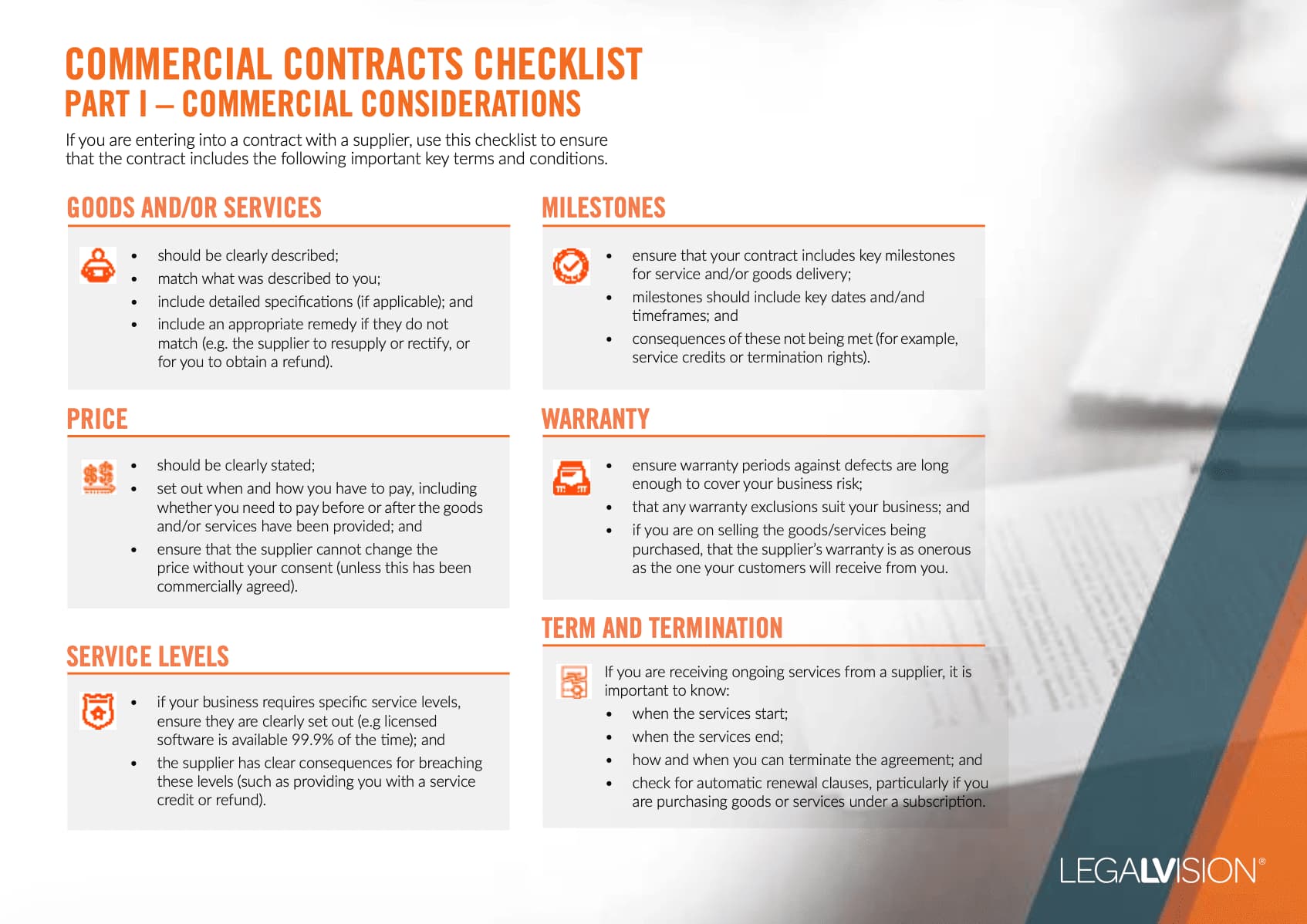
To protect your business, ensure supplier contracts meet your business’ needs. Our free Commercial Contracts Checklist will help.
Post-Separation Employment Considerations
If both partners work in the family business, it is important to address post-separation employment in the agreement. Some key considerations include:
- whether one partner will continue working in the business after separation; and
- exit strategies if one partner decides to leave the business entirely.
Having these terms in writing helps prevent relationship issues from causing issues in the business’ operations.
Update the Agreement
Like all legal documents, a contracting out agreement for a family business is not completely set in stone. Changes in the business or family dynamic will require updates to the agreement. Regularly reviewing the document ensures it remains relevant to the family’s changing business and relationship needs.
Key Takeaways
Contracting out agreements allows couples to modify how their property will be divided if they separate. These agreements become even more important in family businesses because business ownership will be at risk during separation. Some key legal processes to keep in mind regarding contracting out agreements include:
- customising the agreements;
- valuing the business;
- considering legal advice;
- post-separation employment considerations; and
- updating the agreement.
If you need assistance drafting a contracting out agreement for your business, our experienced contract lawyers can assist as part of our LegalVision membership. For a low monthly fee, you will have unlimited access to lawyers to answer your questions and draft and review your documents. Call us today on 0800 005 570 or visit our membership page.
Frequently Asked Questions
What is a contracting out agreement in the context of a family business?
A contracting out agreement allows couples to determine how to divide their property, including business ownership, in the event of separation. For family businesses, it protects business assets.
Why is independent legal advice necessary for contracting out agreements in New Zealand?
For a contracting out agreement to be enforceable under New Zealand law, both parties must receive independent legal advice before signing. This ensures that each party fully understands the agreement and its implications. Without independent legal advice, the courts may set aside the agreement.
We appreciate your feedback! Request your free consultation now.






