


Summary
- Governing law and dispute resolution clauses determine how disagreements are handled, so businesses should pair their choice of law with a tiered process of negotiation, mediation, and arbitration or litigation.
- Exclusivity should be linked to measurable performance benchmarks, with the right to convert to non-exclusive or terminate if the distributor underperforms.
- Trade mark rights and consumer protection laws are territorial, meaning New Zealand businesses remain exposed to local legal regimes in the distributor’s country regardless of the contract’s governing law.
- This is a plain-English guide to international distribution agreements for New Zealand businesses expanding into overseas markets.
- It is provided by LegalVision’s business lawyers, who specialise in advising clients on cross-border distribution and commercial contracts.
Tips for Businesses
Register trade marks in each target market before appointing a distributor. Tie exclusivity to sales targets and retain conversion or termination rights. Include a tiered dispute resolution clause. Clearly allocate compliance obligations and require warranties confirming adherence to local laws before signing.


An international distribution agreement is a commercial contract that authorises an overseas distributor to buy and resell a supplier’s products within a defined territory under the governing law chosen by the parties. It allocates risk across exclusivity, territory, intellectual property licensing, and local regulatory compliance in ways a standard domestic sale contract does not. For New Zealand businesses expanding abroad, trade mark rights and consumer protection obligations remain territorial, exposing suppliers to the distributor’s local legal regime regardless of which governing law the contract specifies, making careful drafting of dispute resolution, termination, and compliance clauses essential before entering a new market.
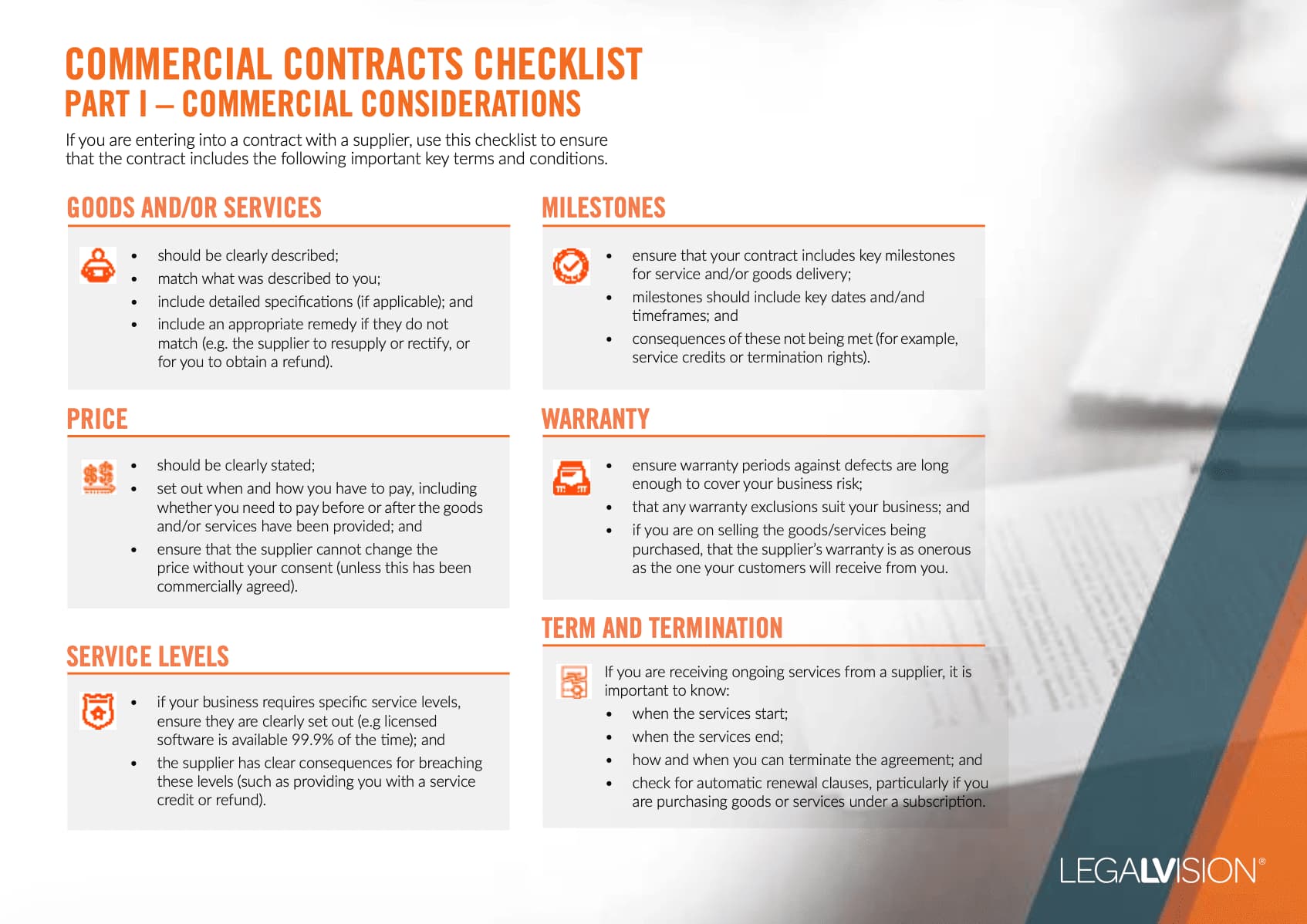
To protect your business, ensure supplier contracts meet your business’ needs. Our free Commercial Contracts Checklist will help.
What Is an International Distribution Agreement?
An international distribution agreement is a contract between a supplier and a distributor based in another country, authorising the distributor to sell the supplier’s products within a defined territory. A distributor buys the goods outright and resells them, taking on commercial risk in the process.
Choosing the Right Governing Law
One of the most consequential decisions in any international distribution deal is which country’s law governs the contract. The governing law determines how disputes are resolved, what implied terms apply, and what remedies are available if things go wrong.
New Zealand businesses often prefer New Zealand law for familiarity and predictability, but counterparties based in other jurisdictions may push back for exactly the same reasons. Whichever law is chosen, the governing law clause should be paired with a clear dispute resolution mechanism. A well-drafted clause will typically provide for negotiation in the first instance, followed by mediation, and then arbitration or permit litigation if the matter remains unresolved.
Continue reading this article below the formCall 0800 005 570 for urgent assistance.
Otherwise, complete this form, and we will contact you on the same business day.
Exclusivity and Territory
Exclusivity provisions are a common point for negotiation in distribution agreements. Granting a distributor exclusive right over a territory means you cannot appoint another distributor, or perhaps even sell directly, in that region for the duration of the agreement. This can be commercially attractive to the distributor but creates real risk for the supplier if the distributor underperforms.
To manage this, suppliers should tie exclusivity to measurable performance benchmarks. These may include minimum purchase volumes or revenue targets. Suppliers should also keep the right to convert the arrangement to non-exclusive. They may also seek the right to terminate if the distributor misses those benchmarks.
Intellectual Property Protection
When you appoint an international distributor, you are typically granting them a licence to use your trade marks, branding, and potentially other intellectual property. Without proper controls, this could potentially create risk.
Compliance and Regulatory Risk
Your distributor will operate under a different regulatory environment. Local product regulations, import requirements and consumer protection laws may apply once your goods enter that market. The distributor will usually manage local compliance. However, your agreement should clearly allocate these obligations. It should also include distributor warranties confirming compliance with all applicable local laws.
Key Takeaways
International distribution agreements offer genuine commercial opportunity for New Zealand businesses looking to grow beyond domestic markets. Businesses that take the time to understand the legal landscape of their target market are far better placed to protect their interests, manage their exit options, and build distribution relationships that last.
LegalVision provides ongoing legal support for all businesses through our fixed-fee legal membership. Our experienced contract lawyers help businesses manage contracts, employment law, disputes, intellectual property, and more, with unlimited access to specialist lawyers for a fixed monthly fee. To learn more about LegalVision’s legal membership, call 0800 005 570 or visit our membership page.
Frequently Asked Questions
Can I terminate an international distribution agreement if the distributor is not performing?
Yes, provided your contract includes clear performance benchmarks and termination rights tied to them. However, local law in the distributor’s jurisdiction may impose additional requirements or compensation obligations regardless of what your contract says, so the local legal position should be checked before terminating.
Does my New Zealand trade mark protect me in my distributor’s country?
No. Trade mark rights are territorial, and your New Zealand registration only protects you in New Zealand. You should register your trade marks in each country where your distributor operates before or shortly after entering the market.
Should I make my international distributor agreement exclusive or non-exclusive?
Exclusive arrangements suit distributors who commit to strong sales targets, but you should link exclusivity to measurable benchmarks and retain the right to convert to non-exclusive if the distributor underperforms.
What dispute resolution process should I include in an international distribution agreement?
You should include a tiered process starting with negotiation, moving to mediation, and finally arbitration or litigation, so parties can resolve disagreements efficiently without jumping straight to costly court proceedings.
We appreciate your feedback! Request your free consultation now.






