


In Short
- Board resolutions formally record the board of directors’ decisions, ensuring clarity and accountability.
- They are crucial for legal recognition and can impact company operations significantly.
- Regularly updating and properly documenting resolutions helps maintain good corporate governance.
Tips for Businesses
Always document board decisions promptly with clear, concise language. Ensure all directors understand and agree on the resolution’s terms before filing. Regular review of past resolutions can aid in tracking company progress and ensuring compliance with regulatory requirements.


The directors of a company are responsible for the day-to-day management and operations of the business. In a company, the shareholders own the company and appoint the directors to fulfil this role. When the board of directors decides on behalf of the company, the directors may need to pass a board resolution approving this decision.
Documenting these decisions by resolution is essential so that the company has a record of its key decisions and the prior approvals for such decisions. Additionally, it is essential that the directors have considered their director duties and that directors have complied with legal requirements before making these decisions. This article covers what board resolutions are and some of the legal considerations contained in board resolutions.
What are Board Resolutions?
A board or directors resolution is a formal decision passed and signed off by the directors of a company. Companies usually have board resolutions to document important significant decisions or actions of the company officially.
Board resolutions are also important documents for ensuring that the company’s shareholders’ agreement and constitution have been considered before crucial decisions have been passed. A company’s shareholders agreement may specify that a certain director or shareholder approval threshold is obtained before the company makes certain decisions.
Board resolutions require an ordinary resolution of over half (50%) of the directors, a special resolution of 75% of the directors, or a unanimous resolution of 100% of the directors. It is possible to sign board resolutions electronically, which helps enable speedy decisions.
Legal Considerations for Board Resolutions
As well as complying with the company’s shareholders agreement and company constitution, board resolutions may also need to comply with certain legal requirements.
1. Major Transactions
Before the company enters into a significant transaction (a single transaction worth more than half of the company’s assets), the directors should ensure that shareholders are aware of this and that relevant board resolution documentation exists. Additionally, the directors must ensure that the company has obtained prior 75% shareholder approval of the significant transaction.
2. Issuing Shares
If the company issues new shares to a new or existing shareholder, the board of directors must ensure that the share issue is in the company’s best interests. Additionally, the directors need to obtain the proper approvals under the company’s shareholders’ agreement and/or constitution alongside waivers of the current shareholders’ pre-emptive rights.
3. Interested Directors
If a director has a material interest in a key decision the company is undertaking, the director must disclose this interest in the company’s interests register. This usually occurs when a director may or will obtain a material financial benefit from the company’s decision.
4. Solvency Test
Under the Companies Act 1993, certain situations may require the board of directors to ensure the company satisfies the solvency test. These situations could include the distribution of dividends to shareholders, the company purchasing its shares, providing financial assistance to obtain shares, or undertaking an amalgamation.
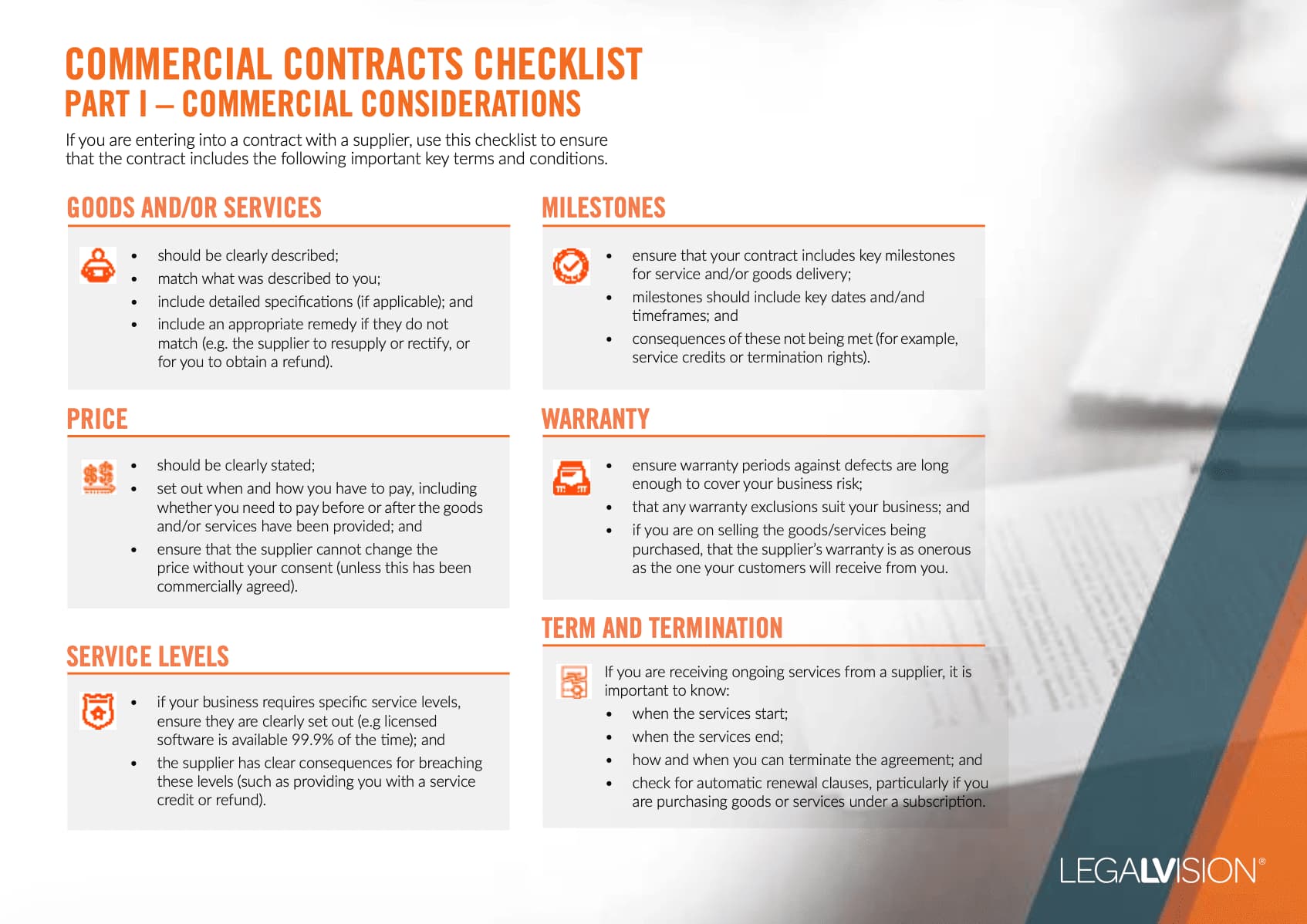
To protect your business, ensure supplier contracts meet your business’ needs. Our free Commercial Contracts Checklist will help.
In addition to preparing a board resolution for any of these decisions, the directors should sign a solvency certificate stating that the company meets the solvency test.
5. Shareholder Resolutions
Certain decisions that the board undertakes on behalf of the company will first require shareholder approval. For any key decisions (such as significant transactions or issuing new shares) which cannot be decided on by the board alone, board resolutions must ensure that the board has obtained the required shareholder approvals before having the company enter into these decisions.
Continue reading this article below the formCall 0800 005 570 for urgent assistance.
Otherwise, complete this form, and we will contact you on the same business day.
Key Takeaways
A board resolution is a formal decision of the company which the directors of the company sign. This usually requires the unanimous resolution of all directors involved. Board resolutions provide a paper trail of the company’s key decisions and evidence of appropriate approvals beforehand.
It is important that board resolutions also comply with the company’s shareholders agreement, company constitution, and the various legal requirements under the Companies Act 1993. Additionally, directors should ensure that they have complied with their director duties when passing any key decisions on behalf of the company.
If you need help preparing board resolutions, LegalVision’s experienced business lawyers can assist as part of our LegalVision membership. For a low monthly fee, you will have unlimited access to lawyers to answer your questions and draft and review your documents. Call us today on today on 0800 005 570 or visit our membership page.
Frequently Asked Questions
What is the purpose of a board resolution?
A board resolution formally documents the decisions made by a company’s board of directors, ensuring clarity and legal recognition of their actions within the corporation.
Are board resolutions legally binding?
Yes, board resolutions are legally binding documents that outline the board’s decisions and directives, which must be adhered to by the company.
We appreciate your feedback! Request your free consultation now.






