


Summary
- Scope changes must be documented and approved in writing before work commences to protect your right to recover additional costs.
- Contracts should include clear variation clauses; without them, proving an implied agreement to pay for extra work becomes significantly harder.
- If disputes arise, options include negotiation, mediation, or legal claims such as quantum meruit or unjust enrichment.
- This article is a plain-English guide to managing and recovering costs from contract scope changes in Australia, written for business owners by LegalVision, a commercial law firm.
- LegalVision specialises in advising clients on commercial contracts and dispute resolution.
Tips for Businesses
Define scope clearly in every contract and establish a written change control process before work begins. When a client requests additional work, confirm it in writing and agree on costs before proceeding. Keep records of all communications. Early negotiation resolves most disputes faster and more cheaply than litigation.


Scope changes occur when a client requests work that falls outside the original contract, and recovering costs for that additional work depends on how clearly the contract defines the original scope and whether the variation was properly documented and approved. In New Zealand, businesses may pursue cost recovery through express variation clauses, mutual agreement, or implied contract terms, though the latter is significantly harder to prove without written evidence. This article will focus on understanding scope changes and strategies to assist with recovery costs incurred for services provided.
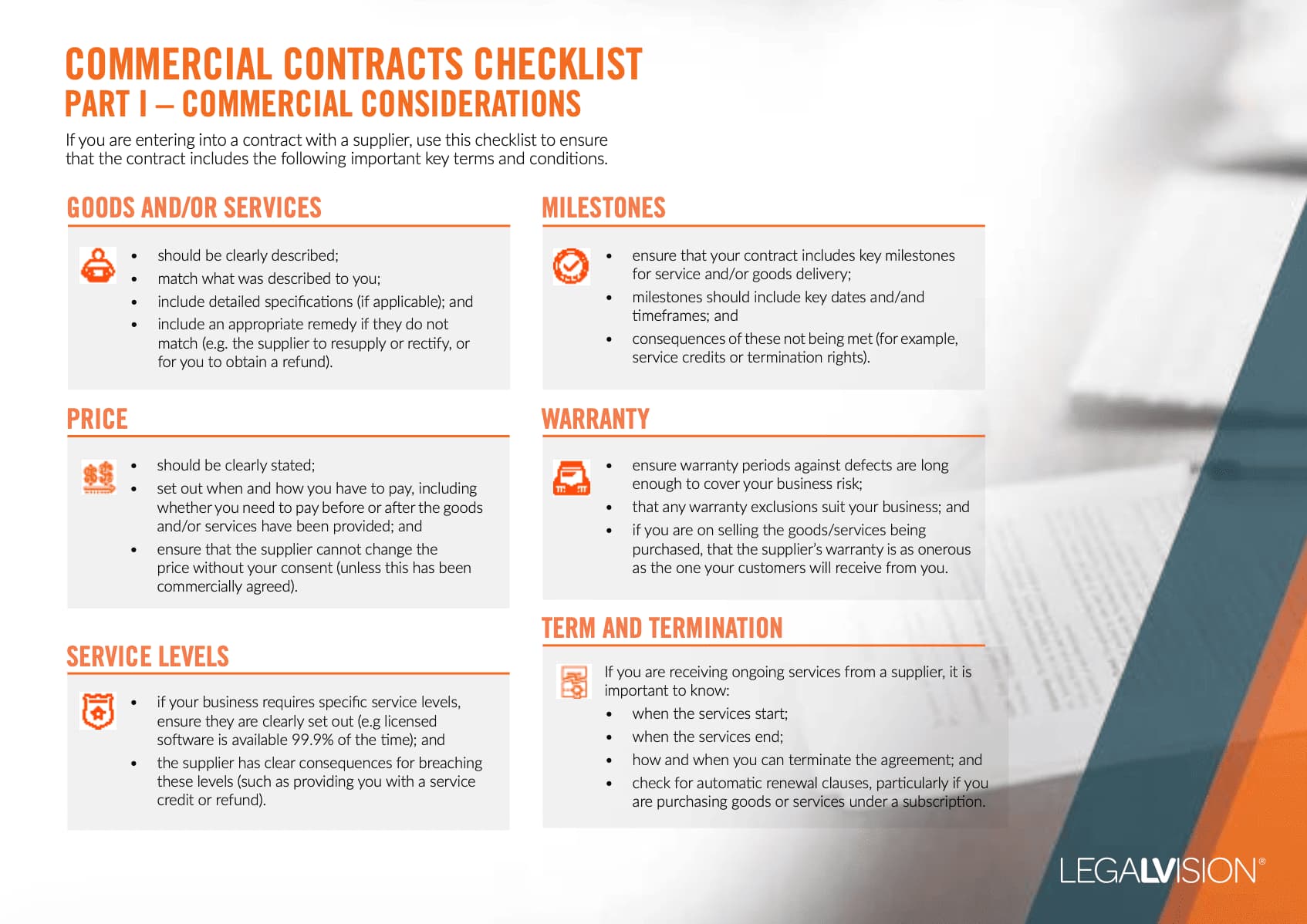
To protect your business, ensure supplier contracts meet your business’ needs. Our free Commercial Contracts Checklist will help.
Understanding Scope Changes
A scope change occurs when the work required under a contract is varied from what was originally agreed. This might include:
- additional deliverables;
- modifications to specifications;
- extended timelines; or
- changes to the project methodology.
The first step in recovering costs is establishing that a genuine scope change has occurred. This requires a clear understanding of what was included in the original contract. Ambiguous contract terms often lie at the heart of disputes, with parties holding different interpretations of what was promised. A well-drafted agreement will clearly define:
- the scope of work;
- deliverables;
- specifications; and
- any exclusions.
Early Communication is Key
A critical issue in disputes involving scope changes is whether a requested modification actually constitutes a change to the original contract or falls within the existing scope. Before undertaking any work that might constitute a scope change, pause to assess whether the requested task genuinely falls outside your original contract.
Open and direct communication at the earliest opportunity is essential to avoid misunderstandings and mounting costs. When a client makes a request that may involve additional work, you should immediately clarify whether this represents a variation to the agreed scope or is already covered by the existing contract. This conversation should happen before any work commences
Continue reading this article below the formCall 0800 005 570 for urgent assistance.
Otherwise, complete this form, and we will contact you on the same business day.
Contractual Mechanisms for Cost Recovery
The most straightforward path to recovering costs for scope variations is through express contractual provisions. Many commercial contracts include variation clauses that set out the process for requesting and approving changes to the scope.
If your contract lacks a variation clause, you may still have options. As parties may still mutually agree to vary the agreement terms. Alternatively, if a client has requested work and you undertake this, there may be an implied agreement you could rely on to pursue costs. However, proving such an implied agreement is more challenging than relying on express contractual terms.
Documenting Scope Changes
Robust documentation is your strongest asset in recovering costs for variations to the scope. From the moment a potential change is identified, you should:
- maintain detailed records of all communications regarding the change, including:
- emails;
- meeting notes; and
- verbal discussions confirmed in writing;
- issue a formal variation agreement or, if required, an entirely new agreement that clearly describes the additional work and associated costs;
- obtain written acknowledgment or an executed agreement from the client before commencing varied work;
- track time and costs specifically attributable to the scope change separately from the original contract work; and
- photograph or otherwise evidence the changed work where relevant.
This documentation serves two purposes:
- provides evidence that a scope change was requested and approved; and
- substantiates the costs you are attempting to claim.
Practical Strategies
Prevention is better than litigation. Implementing clear processes for managing scope changes can avoid disputes altogether. Consider establishing a change control procedure that requires all variations to be:
- documented;
- priced; and
- approved in writing before work commences.
When disputes do arise, early communication is key. Many disagreements can be resolved through commercial negotiation before positions become entrenched. Consider whether mediation or other alternative dispute resolution mechanisms might provide a faster and more cost-effective resolution than litigation.
If litigation is the only answer, then you may consider bringing a claim of quantum meruit (a doctrine to recover reasonable remuneration for services worked), unjust enrichment or other statutory relief. Whether any of these causes of action are appropriate will be determined by the facts of your matter.
Key Takeaways
Understanding your contractual rights and maintaining records will improve your prospects of recovering costs when the project scope inevitably changes. The key points to remember when your scope of work changes are:
- always document scope changes thoroughly, including the request, approval, and costs incurred;
- obtain written approval before commencing varied work wherever possible;
- implement robust change control processes to identify and manage scope changes proactively; and
- early communication and negotiation can often resolve disputes more efficiently than formal legal proceedings.
LegalVision provides ongoing legal support for businesses through our fixed-fee legal membership. Our experienced disputes lawyers help businesses manage contracts, employment law, disputes, intellectual property, and more, with unlimited access to specialist lawyers for a fixed monthly fee. To learn more about LegalVision’s legal membership, call 0800 005 570 or visit our membership page.
Frequently Asked Questions
What is a scope change?
A scope change occurs when the work requested requires an agreement to be varied from what was originally agreed upon.
What should I do when a client requests additional work?
Before starting any work, clarify with your client whether the request falls outside the original contract and constitutes a scope change requiring an additional fee. Have this conversation before commencing any work to avoid disputes later.
Can verbal agreements support a scope change claim?
Yes, but you should confirm verbal discussions in writing immediately to strengthen your position.
What happens if I lack a variation clause?
You can still pursue costs through mutual agreement or an implied agreement, though proving the latter is more challenging.
We appreciate your feedback! Request your free consultation now.






