


Summary
- Your tech business can use the gateway test to assess contractor status for work covered by New Zealand employment law.
- If the worker does not meet every gateway condition, assess the real working relationship under the multi-factor test.
- An older arrangement may qualify from the commencement date, while earlier work remains subject to the previous test.
- This article explains worker classification for tech founders and managers in New Zealand.
- LegalVision’s business lawyers specialise in advising clients on employment classification.
Tips for Businesses
Check contractor agreements against project schedules, outside-work restrictions and subcontractor approval processes. Keep evidence that contractors could seek independent advice before signing. Speak to an disputes lawyer at LegalVision about reviewing how your tech business engages and manages contractors.


On this page
- How Do You Check Worker Classification?
- When Does the Gateway Test Apply?
- What Happens if a Gateway Condition Is Missing?
- How Do the Factors Apply to a Tech Role?
- Do Tech Businesses Have Different Rules?
- Does the Test Cover Existing Arrangements?
- What Can Misclassification Cost Your Business?
- What if Your Contractor Works Overseas?
- How Can You Review Contractor Arrangements?
- Key Takeaways
- Frequently Asked Questions
Your tech business can treat a worker as a contractor under the gateway test if the arrangement meets every condition. If it does not, you need to assess the real working relationship under the multi-factor test. This means weighing several features of how you and the worker operate. According to Employment New Zealand, the gateway test took effect on 21 February 2026. It covers the written agreement, outside work, working times or subcontracting, additional work and the opportunity to seek independent advice. Calling someone a contractor in an agreement does not mean every condition is satisfied. This article explains how to assess contractor status, review existing arrangements and identify issues in overseas engagements.
How Do You Check Worker Classification?
Tech companies can rely heavily on contractors, including developers, designers and software engineers. Correct classification helps you understand your obligations before a worker raises a claim. Review your contractor engagements against the applicable legal test.
New Zealand has historically assessed worker status by weighing control, integration, economic reality and the parties’ intentions. These factors examine independence, the worker’s place in your business and whether they run their own business. The gateway test applies from 21 February 2026.
When Does the Gateway Test Apply?
A worker who meets every gateway condition falls outside the employee definition for this employment framework. The test is not merely a presumption that the multi-factor test can override.
Check the Written Agreement and Outside Work
You have a written agreement specifying that the worker is an independent contractor or is not an employee. Your business has not restricted the worker from working for other businesses, except while performing work for you.
Check Working Times or Subcontracting
You must satisfy either the working-time option or the subcontracting option. Under the working-time option, you cannot require work or availability at specified times, on specified days or for a minimum period.
Under the subcontracting option, the worker can arrange for another person to perform the work. You cannot require checks on that person beyond the permitted exceptions. You may require checks needed to comply with legal requirements.
Check Additional Work and Independent Advice
You cannot end the arrangement because the worker declines work beyond what they agreed to perform. The worker has had a reasonable opportunity to seek independent advice before agreeing to the engagement.
Keep the draft agreement and correspondence showing when the worker received it. Ask your reviewer to examine the agreement alongside your actual onboarding process. The official contractor rules set out each condition and its limits.
Continue reading this article below the formCall 0800 005 570 for urgent assistance.
Otherwise, complete this form, and we will contact you on the same business day.
What Happens if a Gateway Condition Is Missing?
If a gateway condition is missing, the multi-factor test applies. The worker may still be a contractor. Courts then assess the substance and real nature of the relationship.
Under that assessment, calling someone a contractor does not settle their status. Review the working arrangement as a whole. Employment New Zealand explains that no single factor gives the answer.
The factors address different parts of the relationship:
| Factor | What to Examine |
| Intention | What you and the worker agreed about the relationship. |
| Control | Who directs the work, methods and hours. |
| Integration | How closely the worker forms part of your business. |
| Economic Reality | Whether the worker operates a business on their own account. |
Use these factors together when the gateway test does not resolve status.
How Do the Factors Apply to a Tech Role?
Look at the evidence behind each factor if you need the multi-factor test. A developer’s job title gives you little detail about how the engagement works. Compare the agreement with the records of their work.
Examine Control and Integration
For control, examine who decides what the developer does each day and how they do it.
These are hypothetical examples of different working arrangements. Neither example answers every classification question. Collect evidence about actual instructions, supervision and the worker’s freedom to decide how to complete the work.
Examine the Worker’s Business and Shared Intention
For economic reality, examine whether the person carries the financial risks of running their own business. Relevant details can include equipment costs, invoicing and the opportunity to make a profit. These details help your reviewer understand the commercial arrangement.
For example, a developer who paid a project fee might bear the cost of completing work that takes longer than expected. Check the actual payment terms before drawing that conclusion. A fixed fee alone does not resolve the multi-factor assessment.
Finally, look at what both parties intended when they entered the arrangement. Keep the written agreement with any relevant correspondence about the role. Read that evidence alongside the other factors rather than treating the contractor label as the answer.
Do Tech Businesses Have Different Rules?
Neither test is industry-specific. The same principles apply to software engineers, designers and workers in other sectors. Contracting being common in technology does not change the applicable test.
Industry practice may be relevant to the multi-factor assessment, but it does not decide the outcome alone.
Compare Your Developer Engagements
These hypothetical arrangements show why you need to check the details of each engagement:
| Feature | Project Developer | Developer in an Internal Role |
| Hours | Chooses their days and hours. | Must attend during fixed office hours. |
| Outside Work | Can take other clients. | Cannot work for another business. |
| Working Model | Uses their equipment for a flat project fee. | Works full-time within the internal team. |
| Gateway Assessment | May qualify if every remaining condition is met. | The outside-work restriction prevents qualification. |
A project fee and personal equipment do not replace the remaining gateway conditions. Check advice, additional work and the written agreement too.
“Ask your project lead to walk through a declined task and a proposed replacement developer before approving the contractor arrangement. Those examples help you test how the written terms work in practice”

Does the Test Cover Existing Arrangements?
An existing arrangement can qualify under the gateway test from 21 February 2026. It must meet the gateway conditions. The earlier period remains subject to the multi-factor test.
There is an exception where proceedings to determine employment status had already begun before commencement. Have your lawyer check any existing claim before relying on the transition. The official transition rules preserve that distinction.
What Can Misclassification Cost Your Business?
Misclassification may lead to unpaid holiday pay, minimum wage shortfalls and eligible KiwiSaver employer contributions. A worker may also bring a personal grievance, a formal employment complaint, about an unjustified dismissal or disadvantage.
Back payments do not automatically cover the whole relationship. The official recovery rules generally allow employment claims other than personal grievances within 6 years of the claim arising. Check when each amount became due.
Personal grievances have separate deadlines and eligibility rules. Restrictions can affect dismissal claims by high earners and remedies where employee conduct contributed to the problem. Check the applicable rules before estimating compensation.
What if Your Contractor Works Overseas?
Tech companies frequently engage contractors based outside New Zealand through direct contracts or intermediary platforms. The classification tests above apply to relationships governed by New Zealand employment law.
Where a contractor works overseas, ensure your agreement specifies the governing jurisdiction. Consider the employment and tax rules of the country where they work. Local rules may create obligations such as mandatory benefits or payroll registration.
How Can You Review Contractor Arrangements?
Review each contractor with the person who manages their work. Compare what the agreement allows with what the team expects. A useful review records evidence, unanswered questions and who will resolve them.
Collect the Agreement and Working Records
Start with the signed agreement, later changes, project briefs and communications about working arrangements. Include onboarding instructions and any approval process for replacement workers. Note when the engagement began so your reviewer can identify the periods that need assessment.
Ask the project manager to describe an ordinary working week. Record who sets attendance requirements, how additional tasks are offered and what happens when the contractor declines. Use actual examples from the engagement rather than relying on the manager’s understanding of the template.
When reviewing contractor agreements for digital projects, separate the agreed deliverables from later requests. Keep the project brief with the agreement. This helps your reviewer identify whether a disputed task was already within scope.
Record Questions and Follow Through
Give the reviewer a short list of inconsistencies between the documents and daily practice. For example, flag an unrestricted subcontracting clause alongside a manager’s requirement to approve every replacement. Describe the checks actually performed, including their purpose.
For any subcontracting arrangements, collect the relevant instructions and correspondence. Ask the reviewer to assess those records against the permitted checking exceptions. Avoid assuming that calling a check a security requirement makes it acceptable.
Before extending the engagement, compare the proposed work with the original scope. Your contract for services should describe the project clearly. Send material changes in working arrangements back for review before the team starts using them.
Set a review point when the project changes or the contractor takes on a different role. Give the reviewer the updated records so they can assess the changed arrangement.
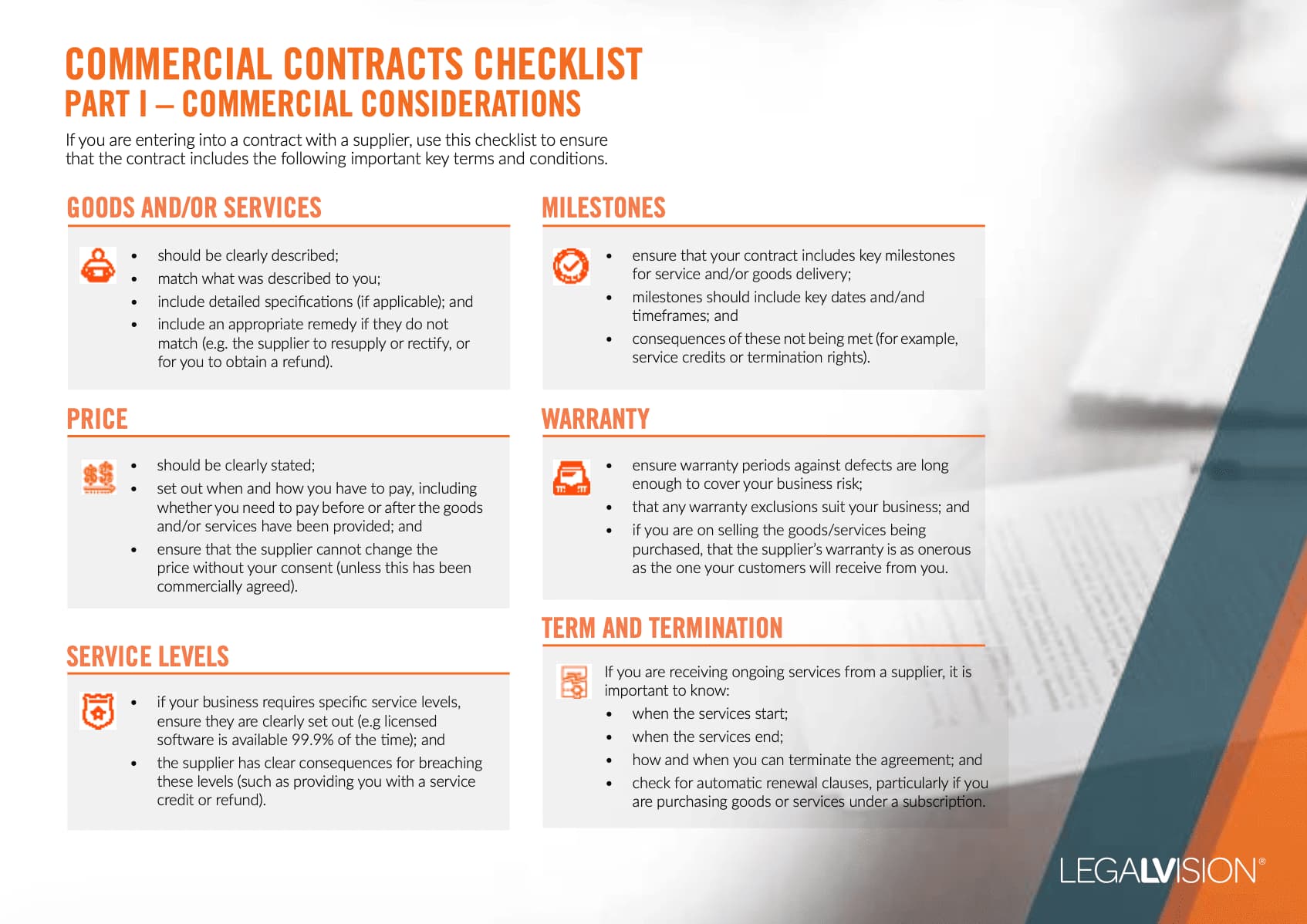
To protect your business, ensure supplier contracts meet your business’ needs. Our free Commercial Contracts Checklist will help.
Key Takeaways
Your tech business can use the gateway test where every condition is met. If a condition is missing, assess the real working relationship under the multi-factor test. Written agreements alone do not establish that every gateway condition is satisfied. Qualifying older arrangements may fall within the gateway from commencement. An exception applies to proceedings under existing status. Earlier work remains subject to the previous test. Potential back payments depend on entitlement and time limits.
LegalVision provides ongoing legal support for businesses through our fixed-fee legal membership. Our experienced disputes lawyers help businesses manage contracts, employment law, disputes, intellectual property, and more, with unlimited access to specialist lawyers for a fixed monthly fee. To learn more about LegalVision’s legal membership, call 0800 005 570 or visit our membership page.
Frequently Asked Questions
Does the gateway test apply to arrangements agreed before 21 February 2026?
Yes, qualifying existing arrangements can fall within the gateway from commencement. Earlier work remains subject to the multi-factor test. An exception applies where employment-status proceedings had already begun before commencement.
Can I still require a contractor to work specific hours or attend the office regularly?
Fixed hours may be compatible with the gateway if the subcontracting option is satisfied. Checks on replacement workers must stay within the permitted exceptions. Every other gateway condition must also be met.
Does failing the gateway test make someone an employee?
No, the worker may still be a contractor under the multi-factor test. You need to assess the real relationship, including control, integration and whether they operate their own business.
Does the test change for software developers?
No, the tests are not specific to technology work. Using a contractor agreement or following industry practice does not establish that your arrangement satisfies the applicable test.
We appreciate your feedback! Request your free consultation now.






