
In Short
- If you cannot pay rent, notify your landlord immediately and try to negotiate a repayment plan.
- Under a standard deed of lease, if your rent is more than 10 days overdue, your commercial landlord may be able to initiate a termination of the lease.
- While a landlord cannot normally seize belongings, they may be able to exclude you from the premises and thus take possession of any chattels.
Tips for Businesses
If you are struggling with rent, be proactive. Contact your landlord early to discuss repayment options and avoid legal action. Always put agreements in writing. If ongoing rent issues persist, consider moving to a more affordable space or seeking financial advice. Understanding your lease terms can help you navigate challenges and avoid unexpected consequences.


As a commercial tenant, you may be worried that your belongings will be seized if you cannot pay rent. Paying rent can be challenging, and knowing your rights and obligations is essential during these times. Even if you reach this unfavourable scenario, it is essential that you come to a solution with your landlord to avoid worsening the situation. As a result, your landlord will also have certain rights they can exercise if you fail to pay rent. This article will outline:
- what to do if you cannot pay rent;
- whether your belongings can be seized; and,
- your landlord’s rights when you fail to pay rent.
What to Do if You Cannot Pay Rent
If you have difficulties paying rent during your commercial lease, it is a good idea to contact your landlord to let them know immediately. You can work with your landlord to come to a solution and a way for you to catch up on the missed payments. The landlord may allow you to add an amount to your regular rent to help pay off the debt.
However, if paying rent seems to be a consistent issue, then you may want to think about other options, such as:
- getting in touch with budgeting services such as Work and Income, which may be able to support you financially;
- thinking about finding cheaper premises; or
- finding a co-founder who can help you pay the rent.
Can Your Belongings Be Seized if You Fail to Pay Rent?
Whether a landlord has the right to seize your belongings depends on the terms of your lease. In most cases, your lease will likely contain a clause relating to removing the tenant’s fixtures, fittings and chattels. Your belongings are likely to be classified as chattels.
In a standard deed of lease, a commercial landlord will be able to lock you out of the premises upon termination, especially if termination resulted from a breach or rent default on your part. This means that if you do not collect your chattels within a specified time, such as five days, your landlord will be able to take possession of them. Depending on your lease terms, any improvements you make to the property may also pass to the landlord.
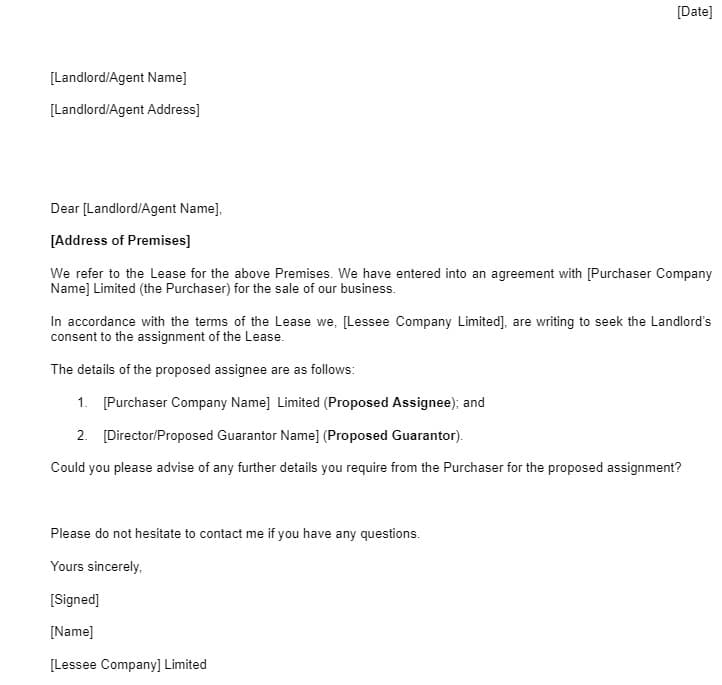
If you are moving out of your leased space and assigning the lease to another party, you are required to notify your landlord and obtain their consent. Use this free proforma template for this purpose.
Call 0800 005 570 for urgent assistance.
Otherwise, complete this form, and we will contact you on the same business day.
Landlord’s Rights At Law
Property Law Act 2007
Under the Property Law Act 2007, your landlord can cancel the lease if you fail to pay rent. The lease can be terminated if:
- you have failed to pay rent for 10 or more working days;
- you have been given a notice stating the landlord’s intention to cancel the lease; and
- at the expiry of the period stated in the notice, you have not paid the rent.
The notice will need to include:
- the nature of the breach;
- the extent of the breach;
- the amount of rent to pay that will remedy the breach;
- the period within which the breach must be remedied;
- the consequence that if the breach is not remedied within the period specified, then the lease can be terminated;
- your right to apply to the court for relief against cancellation of the lease.
Once you have received the notice, you must try to remedy the breach. If you do not remedy the breach, your landlord may:
- terminate the lease with your agreement;
- cancel the lease by re-entering the property after providing you with a minimum of 10 working days to remedy; or,
- cancel the lease by applying to the High Court after providing you with a minimum of 10 working days to remedy.
Unit Titles Act 2010
If the property is a unit title (part of a larger building, with individual and common areas) and you have not paid rent for one month, then your landlord can apply to the High Court to try and cancel the unit plan or lease. Before your landlord applies, they must serve you a notice stating that they will apply to the court.
Key Takeaways
When you realise you cannot pay rent, you should talk to your landlord to find a collaborative solution. If you have not paid rent, your landlord cannot seize your belongings to try and repay your debt. However, the landlord can terminate the lease, given that the notice and time requirements at law have been met. In the case that the lease property is a unit title, your landlord can apply to the High Court to try and cancel the lease.
If you are defaulting under a commercial lease, our experienced leasing lawyers can assist as part of our LegalVision membership. For a low monthly fee, you will have unlimited access to lawyers to answer your questions and draft and review your documents. Call us today on 0800 005 570 or visit our membership page.
Frequently Asked Questions
What should I do if I cannot pay rent?
If you are struggling to pay rent, you should notify your landlord as soon as possible. Try to come to a solution with them to repay the debt. If all else fails, you can talk to a financial support agency or consider cheaper premises for your business.
Can my landlord increase my rent if I am behind on payments?
A landlord cannot increase your rent just because you have fallen behind on payments. Rent increases must follow the terms set out in your lease agreement and comply with legal requirements. Most commercial leases specify how and when rent can be increased, often tied to fixed annual increases, market reviews or inflation adjustments.
However, if you are behind on rent and negotiating a repayment plan, your landlord may propose changes to your lease, such as a rent increase or stricter payment terms, as part of the negotiation. You are not obligated to accept these terms, but it is advisable to seek legal advice before agreeing to any changes.
We appreciate your feedback! Request your free consultation now.