




Understanding your rights once your commercial lease ends can be complex and confusing. As a commercial tenant, you may not know where you stand anymore and if you have any rights relating to the commercial property. There is a possibility that the lease ends, and you want to renew the lease, but the landlord does not. The question remains whether your landlord can evict you once the commercial lease has ended. This article will take you through circumstances in which your landlord can evict you and whether they can evict you at the end of your lease.
What is a Commercial Lease?
A commercial lease is a legally binding contract between you and your landlord regarding the rental of a commercial property. Commercial leases cover various properties, such as retail leases, office spaces, and industrial properties.
The lease will outline your rights and obligations and define your rights after the lease ends, such as the right to renew the lease. The lease can also include terms such as:
- length of lease;
- parties to lease;
- description of premises;
- your obligations, e.g. maintenance and care;
- rent reviews; and
- renewal rights.
Can You Be Evicted if the Commercial Lease Ends?
Your ability to remain in the property after your commercial lease ends will depend on the terms outlined in your lease agreement. The table below outlines some common terms that might be in your lease agreement.
| Option to Renew | You can continue occupying the property for the renewed term under the same terms and conditions if your lease includes an option to renew. |
| Holdover Clause | If your lease has a holdover clause, you may continue occupying the premises on a month-to-month basis with the landlord’s permission. Either party can terminate the arrangement with one month’s notice. |
| No Further Options or Holdover Clause | If your lease had no further options or holdover clause and the landlord did not agree to holdover, you must vacate the premises upon lease expiry without further rights to stay. |
Staying in the property without the landlord’s agreement means the lease terms continue until you leave. Breaching the terms of your lease, such as failing to pay rent or damaging the property, could lead to the landlord requesting you to leave. However, just because your lease has ended does not give the landlord grounds for immediate eviction.
If the landlord agrees to your continued stay, you must fulfil all lease obligations. The landlord can end the arrangement at their discretion if the lease has not been extended or renewed, providing you with notice.
Retail Leases
In retail leases, landlords have specific obligations regarding end-of-term intentions. The relevant state or territory laws will govern these obligations and typically require landlords to provide notice of their intentions regarding:
- lease renewal;
- termination; or
- changes in terms at the end of the lease term.
Tenants in retail premises must be aware of these obligations and provisions to ensure they can adequately plan for the future of their business and negotiate favourable terms where possible.
Continue reading this article below the formCall 0800 005 570 for urgent assistance.
Otherwise, complete this form, and we will contact you on the same business day.
Holding Over
If your commercial lease has expired and you remain on the rental property, this is called “holding over”. Your lease may include provisions about holding over and what will happen in this period. The holding over period will continue until:
- the landlord takes back possession of the property; or,
- you terminate the lease; or,
- the landlord terminates the lease.
You may want to hold over to consider your next steps regarding your business. Other reasons for holding over may include:
- negotiating the renewal of your lease;
- if you are still looking for a new commercial property to rent; or
- reinstatement obligations. You may have a duty to return the property to its original state.
Risks of Staying on the Property
While holding over after the expiry of your lease can provide temporary relief and flexibility, it is not without its risks. Although many landlords may consent to a holdover, it is essential to recognise the uncertainty it brings. Landlords can request you to vacate with as little as 20 days’ notice, leaving you rushing to find an alternative property and disrupting your business operations. As such, it is important to plan before your lease expires.
For example, you may want to consider negotiating a short fixed-term lease with your landlord to minimise such risks. This will provide you with more certainty regarding the lease terms and sufficient time to explore relocation options or negotiate a new lease agreement.
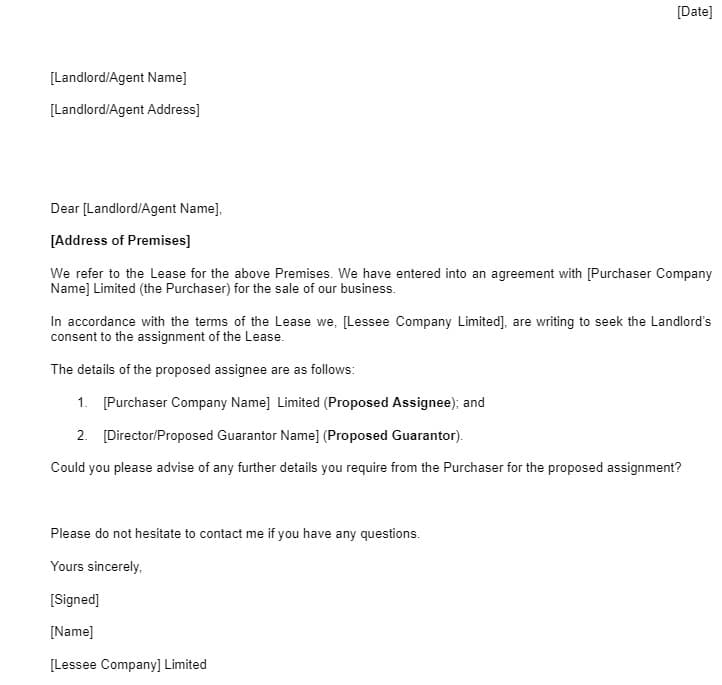
If you are moving out of your leased space and assigning the lease to another party, you are required to notify your landlord and obtain their consent. Use this free proforma template for this purpose.
Key Takeaways
Understanding your rights once your commercial lease ends can be complex and confusing, particularly when you and your landlord have different plans for the end of your lease term. Some key concepts to understand about commercial leases include:
- what a commercial lease is;
- whether you can be evicted at the end of your lease term;
- holding over clauses; and
- the risks of staying on the property.
If you need advice on whether you can be evicted after your lease ends, our experienced leasing lawyers can assist you as part of our LegalVision membership. You will have unlimited access to lawyers who can answer your questions and draft and review your documents for a low monthly fee. Call us today on 0800 005 570 or visit our membership page.
We appreciate your feedback! Request your free consultation now.






