




Increases to your rent can be stressful, and you may wonder whether your landlord can legally increase your rent. While there is no maximum amount for how much your rent can be increased, there are processes a landlord must adhere to. This article will outline when your landlord can increase your rent for your commercial lease, such as rent reviews.
Increasing Rent Through Rent Reviews
Your commercial lease with the landlord may have a clause outlining a process called rent review. Rent review allows the landlord to increase or decrease the rent in accordance with the agreed terms. There are three common methods of rent review which are:
- market rent review;
- Consumer Price Index (CPI) rent review; and,
- fixed percentage increase rent review.
Market Rent Review
A market rent review compares the premise’s rent to similar properties to ensure it aligns with current market rates. It involves a professional valuation. This process also potentially leads to a rent decrease if the market weakens. However, a “hard ratchet clause” in your lease might prevent this decrease entirely. Conversely, a “soft ratchet clause” allows a limited decrease.
Continue reading this article below the formCall 0800 005 570 for urgent assistance.
Otherwise, complete this form, and we will contact you on the same business day.
CPI Rent Review
In a Consumer Price Index (CPI) rent review, your rent can change in proportion to the changes in the CPI. CPI is a measure of inflation in New Zealand. Therefore depending on if CPI increases or decreases, your rent may respectively increase or decrease. This method offers some certainty in terms of rent change, and you may be able to budget for any changes in rent.
Fixed Percentage Increase Rent Review
Suppose your commercial landlord has included a fixed percentage increase rent review in your commercial lease agreement. In this case, your rent can increase at a specific percentage on certain rent review dates. For example, your rent could increase by 2.5% every four months of your lease. If you are worried about the constant rent increase, you can negotiate the fixed percentage amount prior to signing the lease agreement.
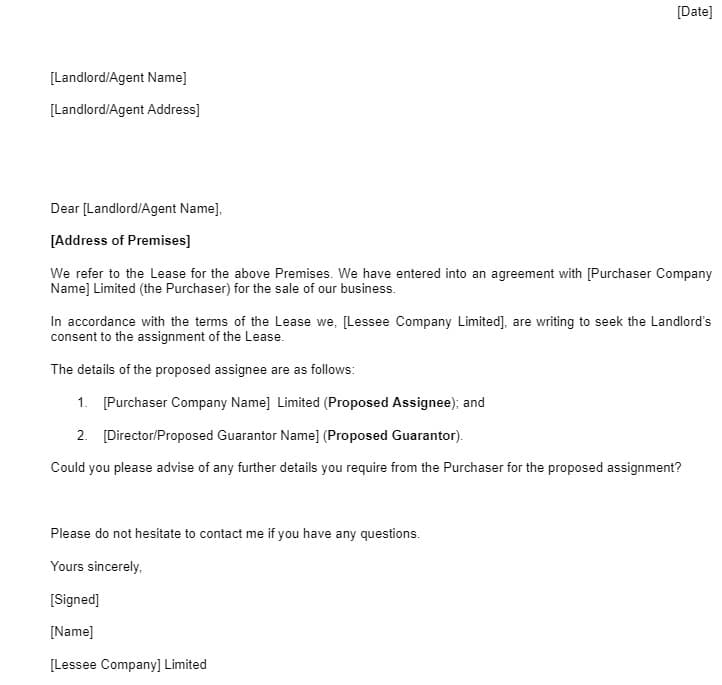
If you are moving out of your leased space and assigning the lease to another party, you are required to notify your landlord and obtain their consent. Use this free proforma template for this purpose.
What if the Rent Is Too High?
If a landlord uses a market rent review clause to raise your rent amount significantly above similar properties in the area, you can dispute this. Accordingly, you should gather evidence of comparable rents in your area to demonstrate the increase is not reflective of the market. Your lease should detail the procedure to follow to dispute that rental increase.
If you find it difficult to pay the new rent, you should let your landlord know as soon as possible. Discuss with your landlord how you can pay the new rent amount or negotiate to decrease the rent. Any agreement made should be recorded in writing.
Key Takeaways
While commercial rent increases can be stressful, understanding how and when they occur can ease the burden. Leases typically outline rent review clauses that dictate the process for adjusting rent. These reviews can be based on comparable properties (market review), inflation (CPI review), or a predetermined percentage (fixed increase). If a market review yields a rent far exceeding similar properties, you can challenge it with evidence and follow your lease’s dispute procedures. Open communication is crucial. If the new rent creates any financial hardship, discuss payment options or negotiate a lower rent with your landlord. Remember to document any agreements in writing.
If you need help understanding the circumstances in which your landlord can increase the rent, our experienced property lawyers can help you as part of our LegalVision membership. You will have unlimited access to lawyers who can answer your questions and draft and review your documents for a low monthly fee. Call us today on 0800 005 570 or visit our membership page.
We appreciate your feedback! Request your free consultation now.






