


In Short
- A commercial landlord typically cannot enter the property without your consent, except in emergencies or with a court order.
- Your lease may specify when and why the landlord can enter, such as for inspections, repairs or serving notice to cancel the lease.
- The landlord must respect your right to quiet enjoyment and cannot use force to enter.
Tips for Businesses
Check your lease agreement for clauses outlining when your landlord can enter the premises. Make sure you are comfortable with these conditions and seek legal advice if necessary. If a landlord attempts to enter without permission, review your lease terms and consult a lawyer to protect your rights.


As a tenant, you may have worries about when your commercial landlord can enter the property and whether you have any rights against this. A commercial landlord usually cannot enter the property without your permission, as doing so would interfere with your rights to the premises. The landlord can access the property at certain times; however, they must follow procedures to ensure your rights are not violated. This article will outline the circumstances in which your landlord can enter the property and the processes surrounding it.
Checking the Commercial Lease
Your commercial lease may have a clause that outlines when the landlord can and cannot enter the property. These rights can override the reasons below for when your landlord can enter. As a result, it is essential that you read the lease over before signing to ensure that you are happy with when the landlord can enter. Moreover, if the landlord’s reasons for entering the property concern you, you should check your commercial lease and consult a lawyer.
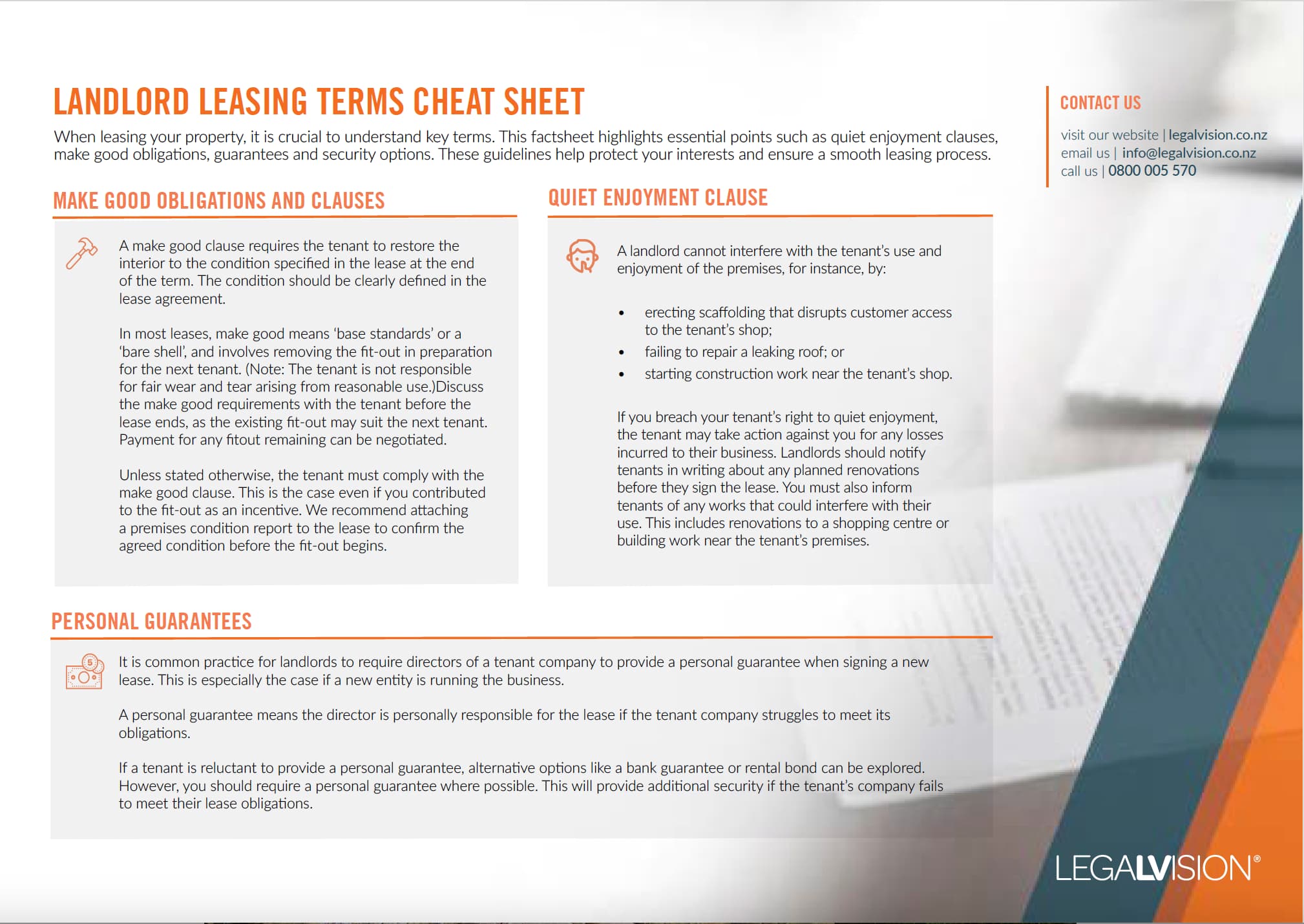
This cheat sheet explains a number of key clauses and gives practical tips to help avoid disputes.
Your Rights as a Tenant
As a commercial tenant, you have several rights that your landlord cannot violate. Such rights are in return for the obligations you need to meet as part of your lease. Once you sign the lease, the property is for you to use, and landlords must respect your peace and privacy while you run your business. Some of your rights include:
- Right to Quiet Enjoyment: You should be able to enjoy the premises peacefully.
- Right of Exclusive Possession: You should be able to reasonably exclude others from your premises.
Call 0800 005 570 for urgent assistance.
Otherwise, complete this form, and we will contact you on the same business day.
When Can My Landlord Enter the Property?
There are certain circumstances under which your landlord can enter the property. A landlord is typically able to enter a property to:
- inspect the commercial property; or
- serve a notice to cancel your lease. Your landlord may serve such a notice because you failed to pay rent on time or breached a term of your lease agreement.
A landlord cannot use force or the threat of force to enter the property under any circumstance. If the landlord does this, they commit an offence and can be liable to a financial penalty or imprisonment.
Entering Property for Maintenance and Repairs
Your landlord may want to enter the property to fix something or fulfil their maintenance obligation under the commercial lease. If so, then such repairs should be discussed with you first so you may agree on when the landlord can execute the repairs. Any agreement made should be recorded in writing.
Entering Grounds of Property
Under your lease agreement, your landlord may have responsibilities to maintain the lawn, clean the guttering or maintain the outside of the property. If your landlord wants to come onto the property’s grounds, they can do so without having to give you notice. However, the landlord must carry out their obligation without interrupting your rights to peace and privacy.
Key Takeaways
Your commercial can enter your property in certain circumstances and on certain conditions. In most cases, they need to give you a notice before entering or discuss with you how they can enter the commercial premises at a time you feel comfortable with. They can enter the property for:
- repairs and maintenance;
- inspection; or
- to serve a notice to cancel your lease.
If you are a commercial tenant, our experienced property and leasing lawyers can assist as part of our LegalVision membership. For a low monthly fee, you will have unlimited access to lawyers to answer your questions and draft and review your documents. Call us today on 0800 005 570 or visit our membership page.
Frequently Asked Questions
What should I do if my landlord enters the property without my permission?
If your landlord enters your commercial property without permission, this could be a violation of your rights under the lease. You should first check the terms of your lease to confirm whether the landlord had a right to enter at that time. If they violated the agreement, consult with a property lawyer to understand your options, which may include seeking compensation or taking legal action if necessary.
Can my landlord enter the property during an emergency without notice?
Yes, a landlord can enter your commercial property without notice in the event of an emergency, such as a fire, flood, or burglary. In such cases, the landlord is allowed to act immediately to protect the property or prevent further damage. However, they must still respect your rights and not cause unnecessary disruption once the emergency has been addressed.
We appreciate your feedback! Request your free consultation now.






